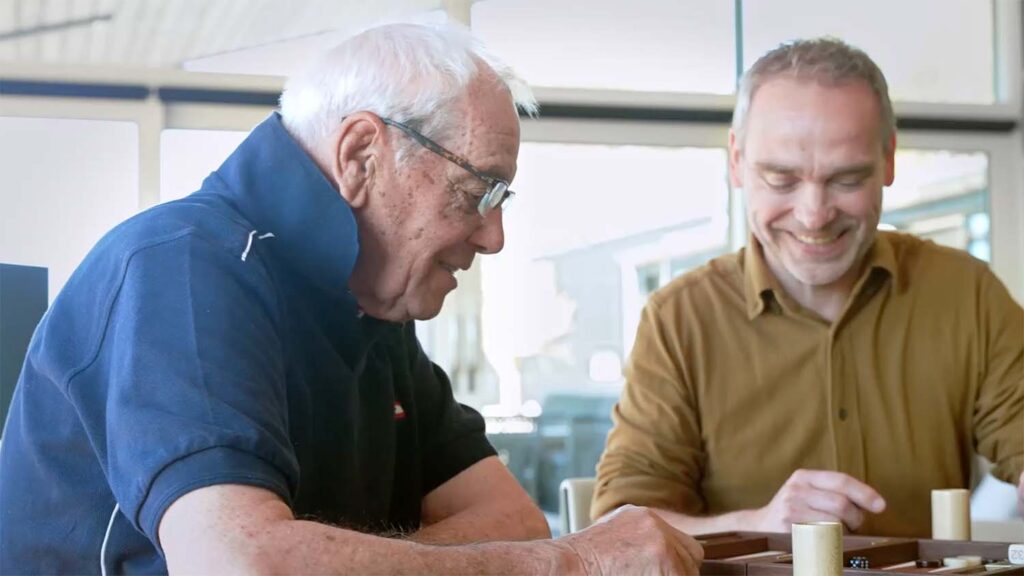
Being a relative of a person with dementia is a labour of love filled with challenges. Many find their everyday life shaped by practical, emotional and social demands that can be hard to manage alone.
At Private Health, we have gathered information and advice that can help you navigate this sensitive situation and support you in finding the balance between caring for your loved one and looking after your own well-being.
Remember your own needs during this difficult time
As a relative, it can be easy to forget your own needs when you are focused on looking after someone close to you. Unfortunately, this can affect your health in several ways.
Sadly, many relatives experience symptoms such as stress, anxiety and depression.
The risk of physical health problems, such as sleep disturbances and high blood pressure, is also significantly higher.
When self-care is set aside, it can quickly lead to a drop in both quality of life and energy levels.
That is why it is essential to prioritise activities that strengthen your own well-being, such as regular exercise, time with other people and time for your own interests. That way, you give yourself the best possible foundation for taking care of your loved ones.
Talk openly about dementia
Being open about dementia can be difficult, but it is often the first step towards an easier everyday life. Many find that the people around them do not understand the illness, because dementia is not always visible. By talking openly, you can:
Build understanding among family, friends and neighbours.
Receive the help and support you need.
Reduce the risk of isolation and loneliness.
Sharing your experiences and challenges can also act as a release valve, giving you space to process difficult feelings and find more energy for everyday life.
Approach a person with dementia with gentleness and understanding
When you support a person with dementia, it is important to meet them with understanding and avoid correcting them, as this can often lead to frustration and unnecessary conflict for both of you. Instead, it can help to highlight the things that still work well and to find joy in the small victories.
Correcting a person with dementia because they have forgotten something or repeat a mistake can be a hurtful experience and risks harming their self-esteem. It can also create distance at a time when closeness and a sense of security are especially important.
Instead, try to help gently and with respect for their way of seeing things. Even small gestures that show understanding and empathy can make a world of difference. This is how you can help create a safe, respectful atmosphere where the person with dementia feels seen and valued.
Get respite care in the safety of the home
Caring for a person with dementia can be a challenging task, and it is often more than one person can manage alone. At Private Health, we provide dementia care in our clients’ own homes, in close collaboration with the carers who are already involved in their care.
We help with everything from support with daily routines and practical tasks to personal hygiene, always with a focus on respect, care and empathy, so that both the person with dementia and their relatives feel safe and seen. We also offer respite care, so that you as a relative can have a much-needed break.
If you have questions or need support during this difficult time, you are always welcome to email us at info@privatehealth.dk or call us on +45 31 580 140. We are here for you.
Get in touch with us
We would be glad to hear from you if you would like to learn more about the options for care with Private Health. Call or write to us, and we will do everything we can to help you and your family find the best solution.
If you would like to apply for a job, read more here.
Save 12% on nursing care
We are currently offering a care package to new clients. As always, presence, professional expertise and aesthetics in nursing care form the framework for our care. The package is for you or your loved one if you need regular support in everyday life and would like a safe, steady start to good care.